
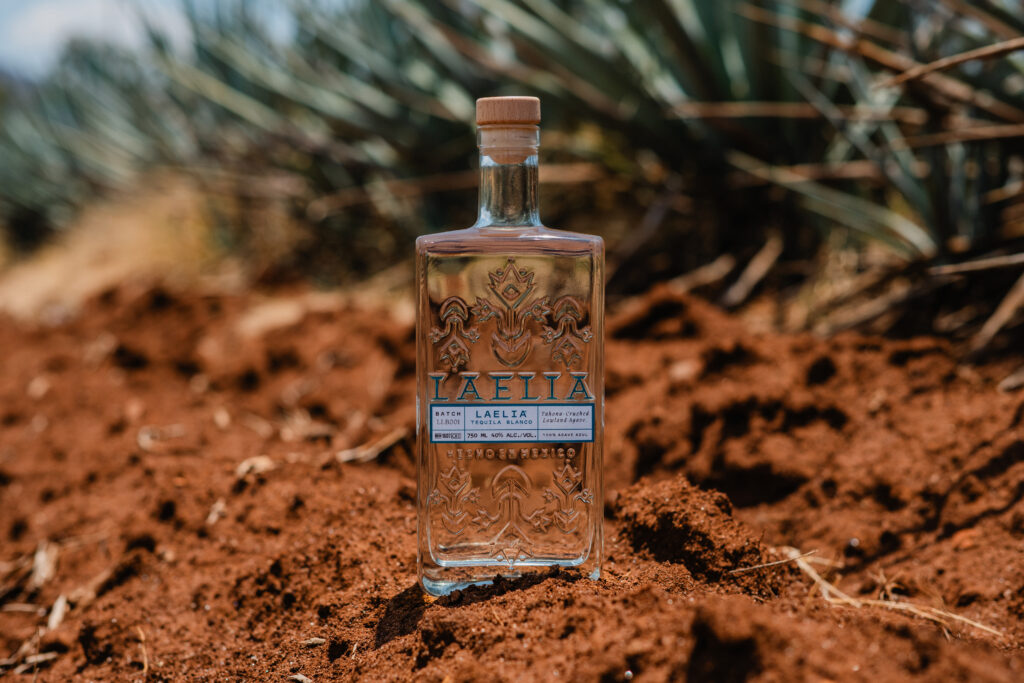
- Blanco Tequila accounts for 40% of total tequila sales worldwide.
- It is the most versatile tequila expression, making it ideal for the cocktail market.
- It is the most popular tequila expression among younger consumers.
Why does blanco tequila account for approximately 40% of all tequila sales worldwide? Its success can be attributed to a combination of economic, social, and cultural factors.
To understand its enduring appeal, it is important to know that blanco tequila represents the original expression of the spirit. In other words, it is the version that most closely resembles how the spirit was consumed during its earliest centuries. When tequila production began in the 16th century, tequila was typically consumed shortly after distillation, as barrel aging had not yet become a common practice. This is why blanco tequila is crystal clear. To this day, it is bottled without undergoing an aging process. As a result, blanco tequila best preserves the natural characteristics of agave, giving it a distinctive identity defined above all by its versatility.
Factor 1: The Versatility of Blanco Tequila
Factor 2: The Cocktail Boom
Recently, the popularity of versatile blanco tequila has been fueled by the growing influence of cocktail culture and mixology, particularly among younger consumers, many of whom view blanco tequila as their gateway into the world of tequila.
The rapidly expanding ready-to-drink tequila cocktail segment has also contributed to blanco tequila’s growth among younger consumers who prioritize convenience, portability, and portion control.
Today, the fastest growth in blanco tequila consumption can be seen in the urban centers of India, China, and Southeast Asia, where demand is being driven by younger populations with rising disposable incomes who often consume alcohol in social settings. “Young consumers are leading the preference for 100% agave blanco tequila, while older age groups tend to favor reposado, añejo, or extra añejo tequilas,” explains Martín Muñoz, General Coordinator of the Agave-Tequila Reference Center at Mexico’s Tequila Regulatory Council.
Factor 3: Producing Blanco Tequila Offers Unique Advantages
Because blanco tequila is not aged in barrels, its time to market is significantly shorter than that of reposado and añejo tequilas, which must remain in barrels for months or even years before they can be sold.
From a financial perspective, eliminating the aging process offers several advantages. Faster inventory turnover improves cash flow while reducing losses associated with evaporation, storage, and long-term inventory maintenance.
Finally: Do Not Confuse Blanco Tequila with Cristalino
Although both blanco and cristalino tequila are clear spirits, cristalino is actually a reposado, añejo, or extra añejo tequila that has undergone an advanced filtration process to remove its amber color and alter its flavor and aroma profile.
As a result, cristalino is not recognized by Mexico’s Tequila Regulatory Council as a separate tequila category. Instead, it is considered a variation of aged tequila expressions. Cristalino tequila is a relatively recent innovation that gained popularity during the first decade of the 2000s.
Learn more:
Meet Laelia Tequila, Casa Natima’s first original tequila blanco: https://senoraleonatequila.com/
Meet Señora Leona, a tequila from Casa Natima, tequilera de origen: https://laeliatequila.com/
Learn more:
Mordor Intelligence
https://www.mordorintelligence.ar/industry-reports/tequila-market
El Informador
https://www.informador.mx/Tequila-blanco-el-que-mas-se-vende-fuera-de-Mexico–l202206010001.html
El Economista