
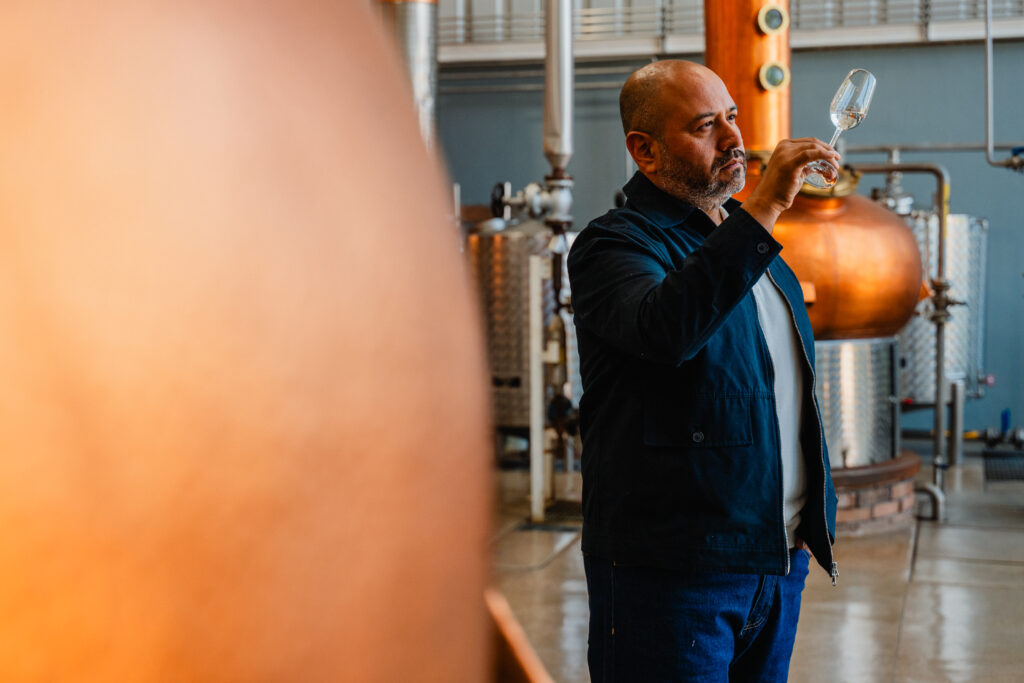
- In a global market that values authenticity and creativity, the figure of the maestro tequilero (Master Distiller) emerges as the key strategist driving the growth and differentiation of tequila brands.
- Today’s Master Distiller merges ancestral wisdom with advanced technologies and sustainable practices, crafting unique flavor profiles. Their work not only elevates product quality but also enhances profitability and global positioning for tequila.
The Master Distiller is known as an artisan — a custodian of the art of making tequila. Their presence extends through every stage of production: from selecting the Blue Agave to deciding on barrel type and aging time; they even influence the bottling stage, ensuring that every drop of tequila carries the distinctive character of their craft and inspiration.
For the creativity of the Master Distiller, the year 2025 represents new challenges and opportunities, as global demand for tequila continues to rise. This growth is driven by consumers seeking differentiated experiences — not only through taste and aroma but also through production processes.
Tequila Continues to Conquer the World
According to the Tequila Regulatory Council (CRT), tequila exports in January 2025 grew by 29.3% compared to the same period last year, reaching a total of 37.1 million liters shipped abroad. Of this, 86% was sent to the United States, while China reentered the top ten importers of tequila (Asia and Europe also showed accelerated growth). In addition, 73% of the tequila exported during this period belonged to the 100% Agave Tequila category.
Figure 1: Key Statistics of the Tequila Industry
Sources:, El Economista, El Informador.
What Will Drive the Tequila Industry’s Growth in the Future?
The tequila market is entering a phase of maturity where authenticity, craftsmanship, and brand strategy are key to remaining relevant. Consumers are increasingly willing to pay more for premium products that offer versatility, authenticity, and a compelling brand story, fueling demand for high-end and experimental tequilas.
As shown in Figure 2, mixology culture, sustainability, and ethical sourcing are among the primary drivers of the tequila market.
Figure 2: Factors Driving the Tequila Market
Source: Mordor Intelligence
A New Profile of the Master Distiller
To surprise and captivate consumers, the tequila industry must constantly evolve. The Master Distiller leads this transformation — experimenting with new ideas, techniques, and processes to meet growing expectations. Their vision is vital for global brands to adapt to international trends without losing authenticity, in an increasingly competitive market that demands sustainability and excellence.
Today, beyond traditional craftsmanship, a Master Distiller must master several key areas:
Sustainable methods: Efficient use of water, renewable energy, and agave waste recycling. The tequila industry is investing heavily in projects aimed at reducing its environmental impact, striving to become the most sustainable spirit in the world. In this regard, the Tequila Regulatory Council (CRT) has developed the Agave-Tequila Sustainability Strategy, aimed at reducing the industry’s carbon footprint.
Advanced aging techniques: The implementation of modern fermentation and distillation technologies is essential to ensure traceability and consistent quality. Producers are currently experimenting with combinations of traditional and unconventional barrels to create new flavor nuances.
Technological integration: Automation and digital monitoring systems help ensure consistency and quality on a large scale.
Investing in technical and strategic training programs for Master Distillers — in collaboration with universities and organizations such as the Tequila Regulatory Council (CRT) and the National Chamber of the Tequila Industry (CNIT) — will help develop a new generation of experts capable of meeting the challenges of this dynamic global market.
In sum, the future of tequila depends on the ability of the new generation of Master Distillers to innovate without losing the essence of tradition, continuing to share Mexico’s heritage while conquering palates across the world.
Learn More:
Discover Laelia Tequila, Casa Natima’s first original tequila: https://casanatima.com/2025/06/04/tequila-a-cultural-icon-that-thrives-between-tradition-and-evolution-2/
Follow our Master Distiller, Carlos Huízar, on Instagram: https://www.instagram.com/carlosrhuizar.md/
Learn more about Casa Natima’s production processes — the distillery of contemporary Mexico: www.casanatima.com